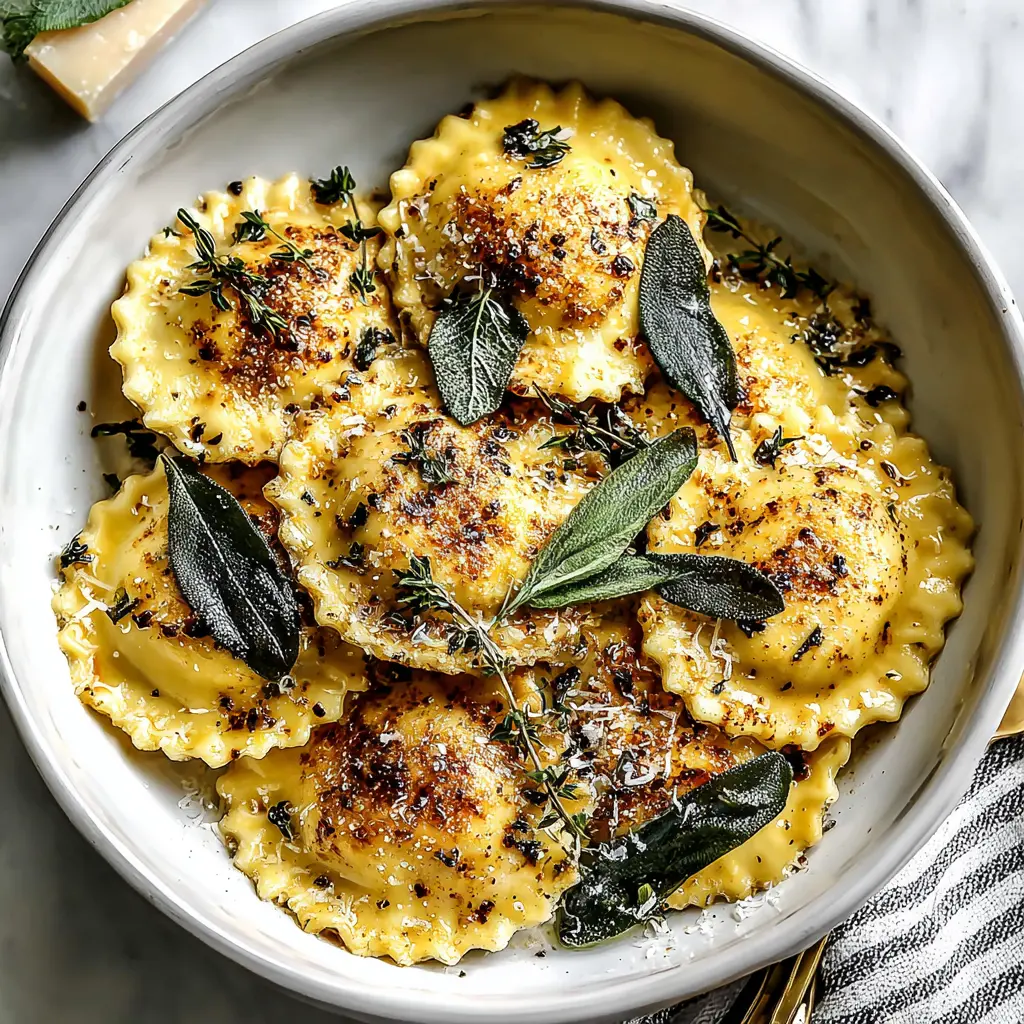
California-Style Ravioli with Sage Butter Sauce
Ingredients
Method
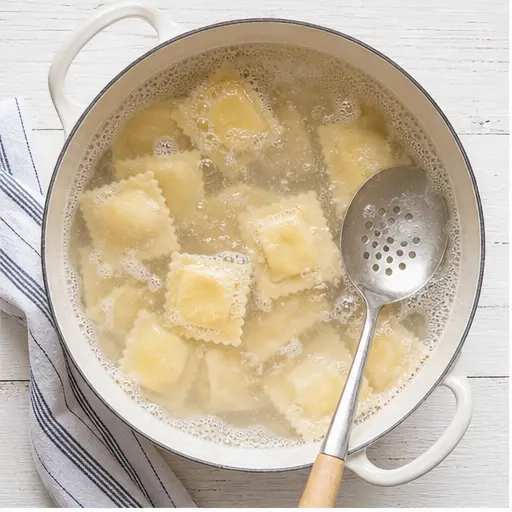
- Bring a large pot of salted water to a gentle boil. Cook the ravioli according to package directions (or your homemade recipe), being careful not to boil too vigorously to prevent them from bursting.
- While the ravioli cooks, heat a large skillet over medium heat. Add the butter and cook for about 3 minutes, swirling the pan occasionally, until the butter turns a golden brown and smells nutty.
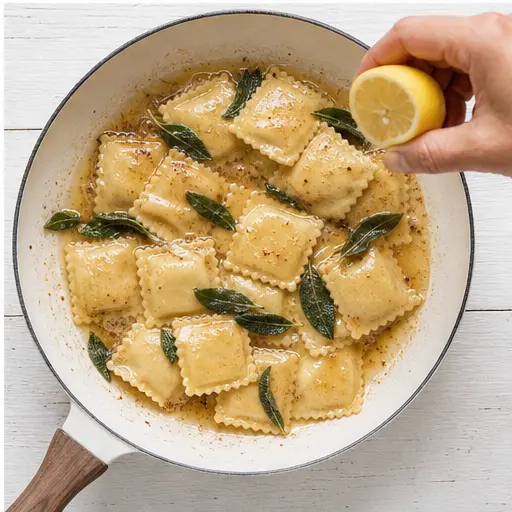
- Season with black pepper to taste, then add the sage leaves. Continue cooking for about 2 more minutes, stirring now and then, until the sage becomes slightly crispy. Squeeze in about 1/2 tablespoon of lemon juice and swirl to combine.
- When the ravioli is done, drain it well and add it directly to the skillet with the browned butter sauce. Gently toss to coat each piece evenly.
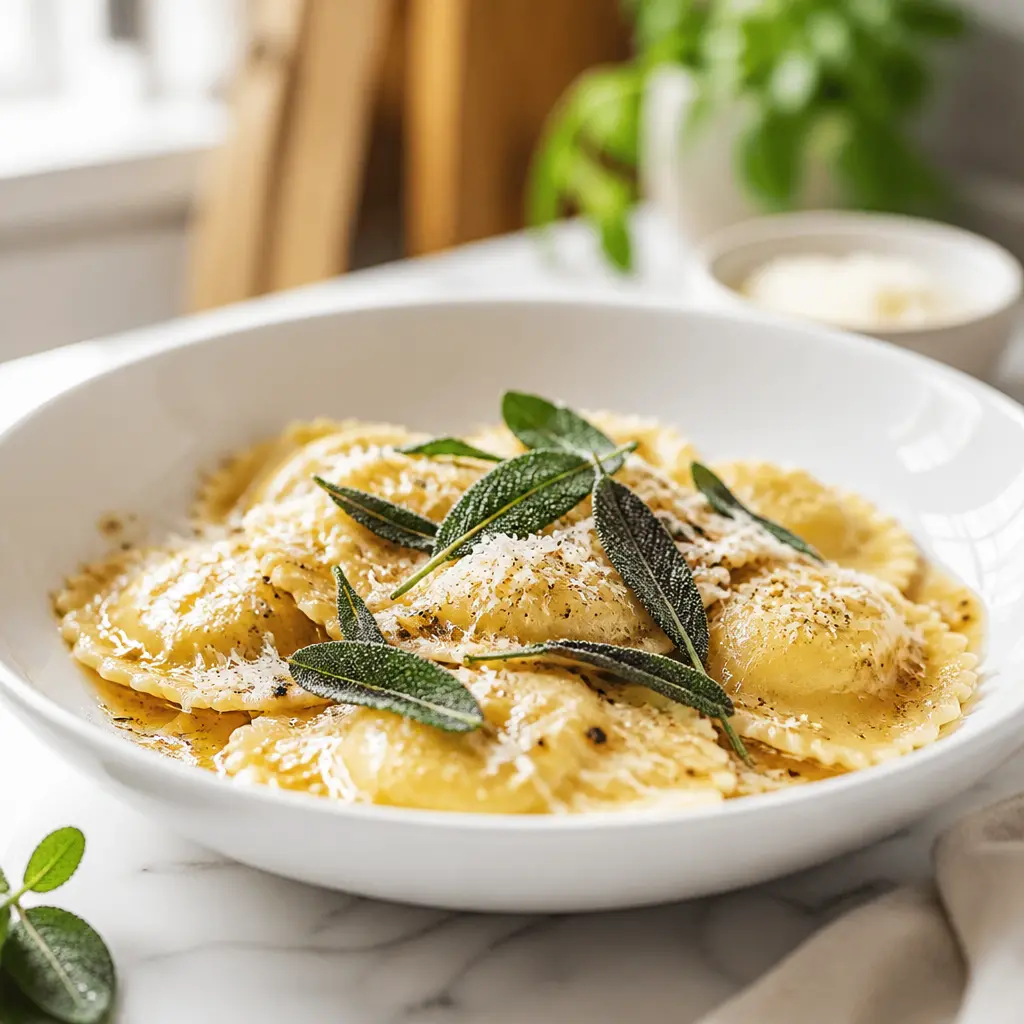
- Divide the ravioli among 4 plates or bowls. Top with freshly grated Parmigiano Reggiano and a final squeeze of lemon juice. Serve immediately.
Nutrition
Notes
Tried this recipe?
Let us know how it was!Why This Recipe Works
I first had ravioli with sage butter sauce at a tiny trattoria in Florence, tucked away on a side street near the Duomo. I remember sitting there, thinking, “This is it. This is the dish I’ll spend years trying to recreate.” And honestly? I was intimidated. Brown butter felt like this mysterious, high-wire act that only professional chefs could pull off.
Turns out, I was wrong. Ravioli with sage butter sauce is one of the easiest, most forgiving pasta dishes you can make. It’s literally butter, sage, and pasta but the magic is in the details. The nutty aroma of browned butter, the crisp whisper of fried sage leaves, the bright squeeze of lemon that cuts through all that richness. It’s Italian comfort food at its finest, and it comes together in under 20 minutes.
This version has a little California twist. We’re using Meyer lemon if we can find it (those sweeter, less acidic lemons that grow in backyard trees all over the state), and we’re keeping things light and bright. No heavy cream, no complicated reductions. Just pure, simple alchemy.
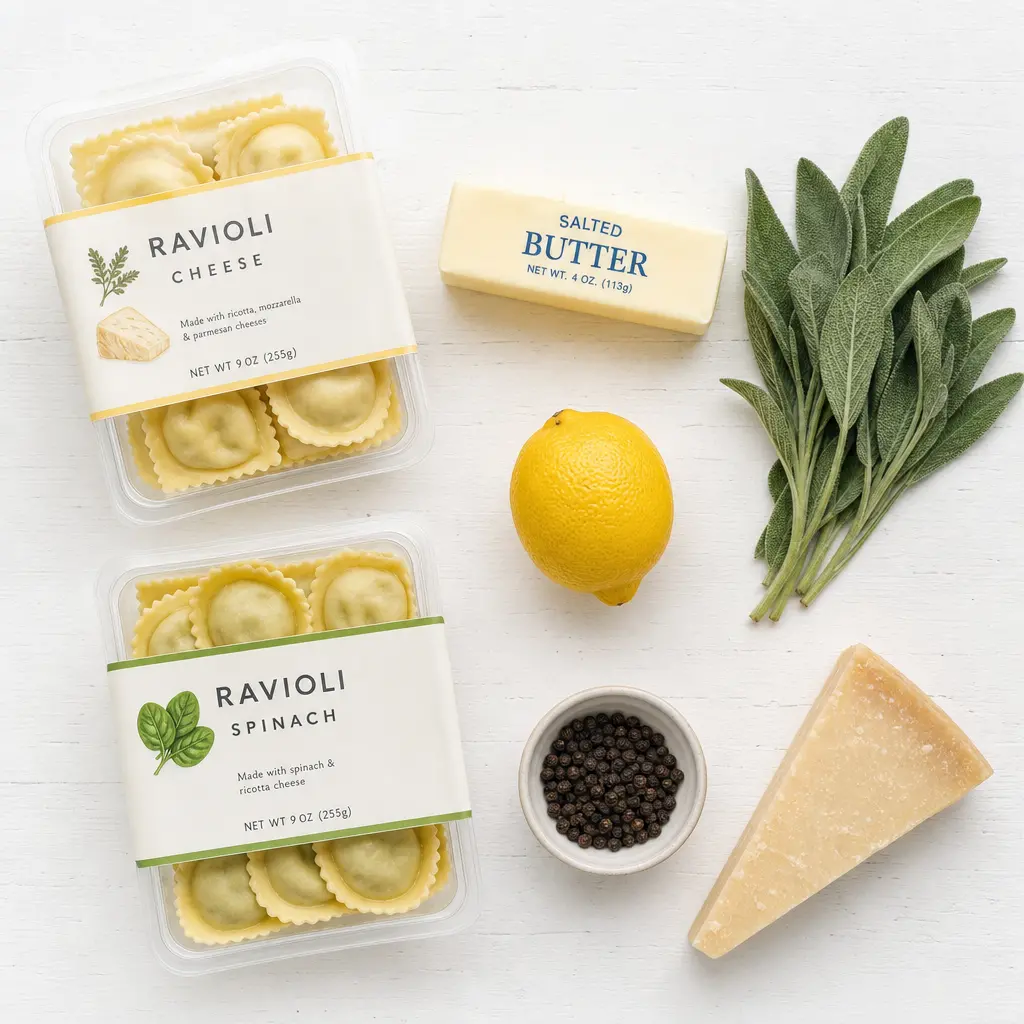
Key Ingredients for Sage Butter Ravioli
The beauty of this dish is its simplicity. You only need a handful of ingredients, and chances are you already have most of them in your kitchen. Here’s what makes each one essential:
- Ravioli: I use store-bought ravioli for convenience cheese or spinach filling works beautifully. But if you’ve got a batch of homemade ravioli in the freezer, this is the perfect sauce for it. The key is not to overcook them. A gentle boil is your friend here.
- Salted butter: I prefer salted butter for this recipe because it adds a layer of seasoning that unsalted butter just doesn’t have. If you only have unsalted, just add a pinch of salt to the sauce.
- Fresh sage leaves: This is non-negotiable. Dried sage won’t crisp up the same way, and it has a much stronger, almost medicinal flavor. Fresh sage leaves are worth tracking down they’re usually available at any grocery store in the herb section.
- Lemon: Meyer lemon if you can find it, regular lemon if you can’t. The acidity is crucial for balancing the richness of the brown butter.
- Parmigiano Reggiano: Please don’t use the stuff in the green can. A wedge of real Parmigiano Reggiano, freshly grated, makes all the difference.
- Black pepper: Freshly ground, always.
Tips for Perfect Browned Butter
Brown butter is the heart of this sage butter sauce recipe. It’s what transforms a simple butter sauce for pasta into something deeply nutty and complex. But it can go from perfect to burnt in about 30 seconds. Here’s how to nail it every time:
- Use a light-colored pan. This is the single most important tip. A dark non-stick pan will hide the color change, and you’ll end up with burnt butter before you know it. A stainless steel or light-colored skillet lets you see exactly what’s happening.
- Cut the butter into cubes. Even cubes melt more evenly, which means more consistent browning. I usually cut my stick of butter into 8 pieces.
- Medium heat, always. High heat will burn the milk solids before the butter has a chance to develop that nutty flavor. Medium heat gives you control.
- Swirl, don’t stir. Gently swirl the pan every 15-20 seconds. This keeps the milk solids moving so they brown evenly.
- Watch for the color. You’re looking for a golden amber color with small brown specks at the bottom of the pan. The smell will tell you too it should smell like toasted nuts, not burnt popcorn.
- Never leave it unattended. I promise you, the moment you turn your back is the moment it burns. Stay with it.
Step-by-Step Instructions
Here’s how to bring it all together. The timing is important here you want to start the sauce right when the ravioli goes into the water so everything finishes at the same time.
Step 1: Cook the Ravioli
Bring a large pot of salted water to a gentle boil. I use about 2 tablespoons of salt for a big pot it should taste like the sea. Add your ravioli and cook according to package directions. Don’t boil too vigorously, or the ravioli might burst open. A gentle simmer is perfect. While the pasta cooks, start your sauce.
Step 2: Make the Brown Butter
In a large skillet (light-colored, remember?), heat the butter over medium heat. Let it melt completely, then continue cooking for about 3 minutes, swirling the pan occasionally. You’ll see it go from yellow to pale golden to a beautiful amber color. The milk solids will settle at the bottom and turn brown. That nutty aroma? That’s your signal.

Step 3: Crisp the Sage
Season the butter with black pepper to taste, then add your fresh sage leaves. Let them cook for about 2 minutes, stirring gently now and then. The leaves will start to curl and crisp up they should be crisp but not burnt. If they turn dark brown, you’ve gone too far. Squeeze in about 1/2 tablespoon of lemon juice and swirl to combine.

Step 4: Combine and Serve
When the ravioli is done (it should float to the surface and look plump and tender), drain it well. Don’t rinse it you want that starch to help the sauce cling. Add the ravioli directly to the skillet with the brown butter sauce. Gently toss to coat each piece evenly. Divide among plates, top with freshly grated Parmigiano Reggiano, and finish with a final squeeze of lemon. Serve immediately.
Mix-Ins and Variations
Once you’ve mastered the basic ravioli with sage and butter, you can start playing around. Here are some of my favorite variations:
- Toasted walnuts or hazelnuts: Add a handful of toasted nuts to the sauce along with the sage. The crunch is incredible against the soft ravioli.
- Mascarpone: Stir in a spoonful of mascarpone at the end for a creamier sauce. It’s still no cream sauce ravioli, but it adds a lovely richness.
- Pumpkin puree: For a fall twist, mix in 1/4 cup of pumpkin puree with the butter. It pairs beautifully with the sage.
- Roasted butternut squash: Toss in some roasted cubed squash for extra texture and sweetness.
- Swap the pasta: This sauce works beautifully with tortellini or gnocchi too. The same technique applies.
What to Serve with Ravioli
This dish is satisfying enough on its own, but if you’re serving it as part of a larger meal, here are some ideas:
- A simple green salad: Arugula with lemon vinaigrette cuts through the richness beautifully.
- Crusty bread: To soak up every last drop of that brown butter sauce.
- Roasted vegetables: Asparagus, broccoli, or zucchini all work well.
- Heirloom tomatoes and burrata: A classic summer pairing that’s hard to beat.
Storage and Reheating Tips
This is one of those dishes that’s best eaten immediately. But if you have leftovers (unlikely, but possible), here’s how to handle them:
- Store: Place leftovers in an airtight container in the fridge for up to 2 days. The sage leaves will lose their crispness, but the flavor will still be good.
- Reheat: The microwave will make the ravioli mushy and the sauce greasy. Instead, reheat gently in a skillet over medium-low heat with a splash of water or broth. This helps re-emulsify the sauce and brings back some of the texture.
- Don’t freeze: The sauce doesn’t freeze well. The butter will separate and the texture will be off when you thaw it.
If you’re planning ahead, you can make the brown butter sauce up to a day in advance and store it in the fridge. Just reheat it gently in a skillet when you’re ready to cook the ravioli. Add the sage leaves fresh, though they won’t crisp up if they’ve been sitting in the butter.
Frequently Asked Questions
I hope you love this ravioli with sage butter sauce as much as I do. It’s one of those recipes that feels fancy but is secretly simple perfect for a weeknight dinner or when you want to impress someone without breaking a sweat. Let me know in the comments how yours turned out!
For more inspiration, check out this ravioli with sage butter sauce on Pinterest and save it for later.
Source: Nutritional Information