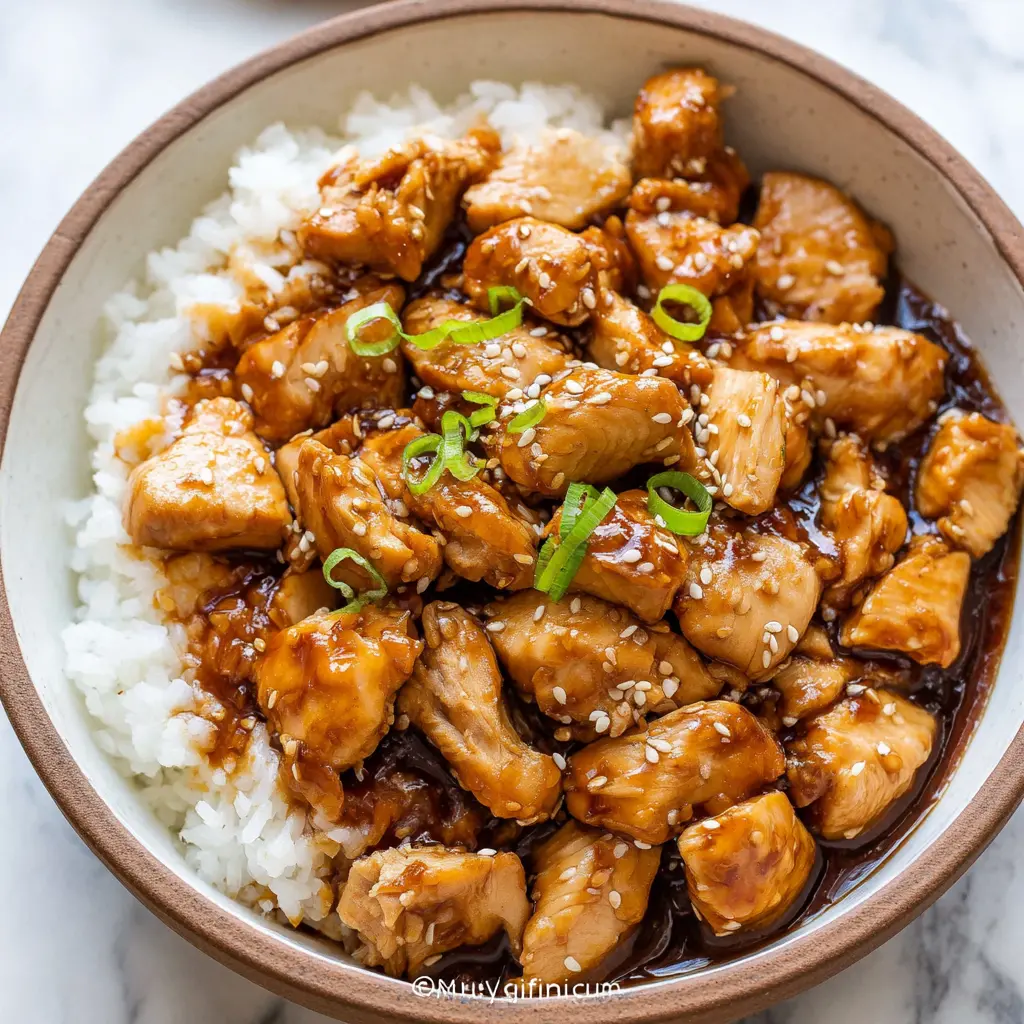
Why You’ll Love Sticky Garlic Chicken Noodles
It’s 5:58pm. You just walked in the door, the kids have asked “what’s for dinner” fourteen times, and you’re staring at a pack of chicken thighs wondering how this became your life. I’ve been there more nights than I can count. This garlic chicken noodles recipe is how I talk myself out of ordering takeout on those exact evenings.
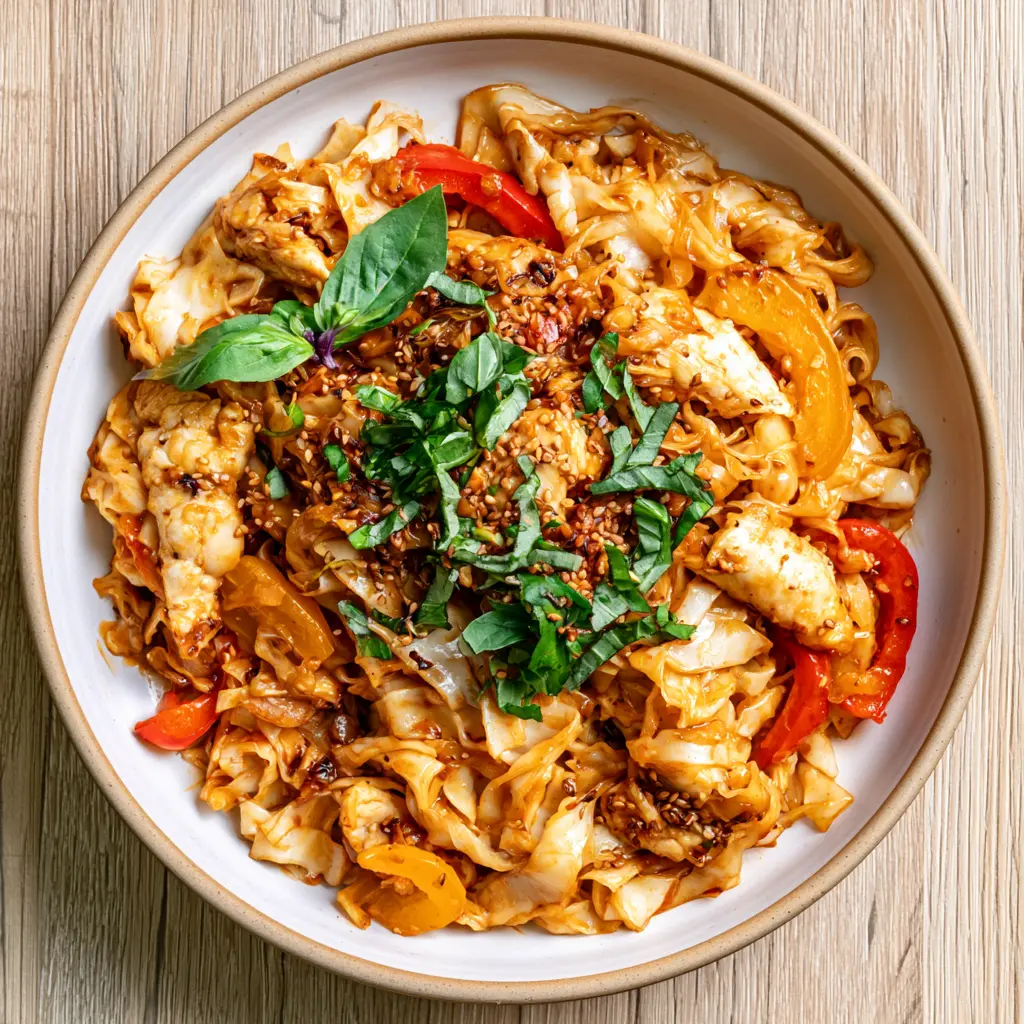
Here’s the thing. These aren’t just any noodles. These are sticky garlic chicken noodles. Glossy, a little sweet, a little spicy, and on the table in about 20 minutes. The sauce coats every single strand like warm honey. The chicken develops crispy golden edges. It all happens in one skillet, so cleanup is basically a victory lap.
It’s also August in Southern California, which means it’s hot, everyone’s tired, and the last thing anybody wants is to hover over a stove for an hour. These garlic chicken noodles hit that sweet spot between satisfying and light. Plus, it’s peak garlic season at the farmers market right now, and fresh garlic makes a noticeable difference. Trust me on that.
I’ll be honest with you. The first time I attempted something like this, I burned the garlic. Acrid little black bits in the pan, whole kitchen smelling like regret. The fix wasn’t complicated: add the garlic at the right moment, keep it to about a minute, and let it do its thing. You won’t make my mistake because I’m telling you now. And if you do anyway, scrape out the burnt bits, start over, nobody will ever know.
This is my go-to weeknight dinner recipe. Fast enough for a random Tuesday, satisfying enough to feel like a treat. My kids call it “the good noodles,” which from two very picky eaters is basically a Michelin star. These garlic chicken noodles are the dish my family requests the most, and I never get tired of hearing that.
So here’s your plan. Grab your ingredients, follow me through the four stages below, and in twenty minutes you’ll be eating the best garlic chicken noodles of your life. Let’s go.
What You Need for Garlic Chicken Noodles
The beauty of this dish is that the ingredient list reads like a greatest hits of my fridge door shelf. You probably have most of it already. Here’s what makes these garlic chicken noodles work, and what you can swap in a pinch.
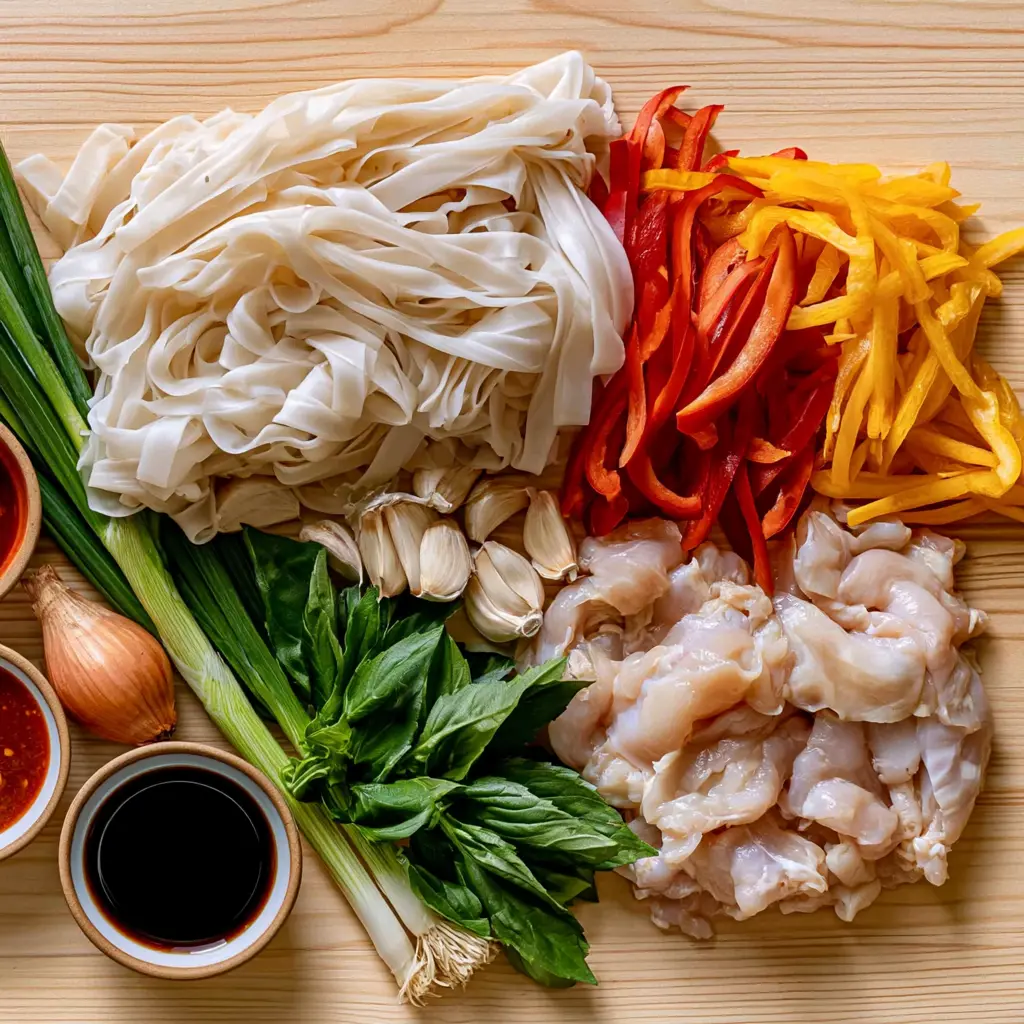
- Wide flat rice noodles: Look for the ones labeled pad Thai noodles. They’re chewy, they hold sauce, and they don’t turn to mush if you treat them right. This is the foundation of the whole dish.
- Tamari or soy sauce: Either works beautifully. Tamari makes this garlic chicken noodles recipe gluten-free, which is why it’s usually what I grab first.
- Sweet chili sauce: The backbone of that sticky noodle sauce. It brings sweetness, mild heat, and that gorgeous red-orange glaze you’ll see in the pan.
- Toasted sesame oil: A little goes a long way. We’re using exactly 2 tablespoons, which is the sweet spot. Any more and it takes over everything.
- Rice vinegar and pickled sushi ginger: These deliver the tang that keeps the dish from feeling heavy. I know pickled ginger sounds like a weird flex, but it’s oddly essential. Don’t skip it.
- Chicken thighs or breasts: Thighs are juicier, breasts are leaner. Both work great, and I’ll walk you through the difference below. Just slice them thin.
- Cornstarch: The secret to crispy chicken and sticky sauce all at once. More on that in a minute.
- Produce: Garlic, a shallot, two bell peppers, scallions, and Thai basil. Can’t find Thai basil? Regular basil is totally fine. Cilantro works in a pinch too.
A couple of notes before we start. I usually grab my peppers and basil at the farmers market, especially in August when everything’s at peak flavor. The garlic is worth splurging on this time of year, too. Fresh California garlic has a punch that the pre-minced stuff in jars just can’t match.
Shopping wise, this is a one-stop errand. Ralphs or Vons will have everything except maybe the Thai basil. Trader Joe’s carries it in the summer, and Whole Foods usually has it year-round. Or just grow a basil plant on your windowsill. That’s what I did, and honestly, best decision I’ve made all year. Everything for garlic chicken noodles fits in one grocery run.
One clarification before you ask: you do not need hoisin sauce, oyster sauce, or brown sugar for these garlic chicken noodles. I’ve seen recipes that use all three. This one gets its sticky magic from sweet chili sauce plus the cornstarch on the chicken. Simpler, and honestly better. Fewer ingredients means fewer things to buy and less cleanup.
How to Make Sticky Garlic Chicken Noodles
Here’s the game plan. Four stages, about 20 minutes, one skillet. The order matters: noodles first, sauce next, then chicken, then vegetables. Follow the sequence and everything lands hot at the same time. I’ve tested this flow a dozen times, and it’s the smoothest it gets.
Let me also say this up front: you’ve got this. The sauce is the hardest part, and it’s literally whisking things in a bowl. Everything after that is cooking in stages and tossing. If you can stir, you can make these sticky garlic chicken noodles.
Stage 1: Cook the Noodles
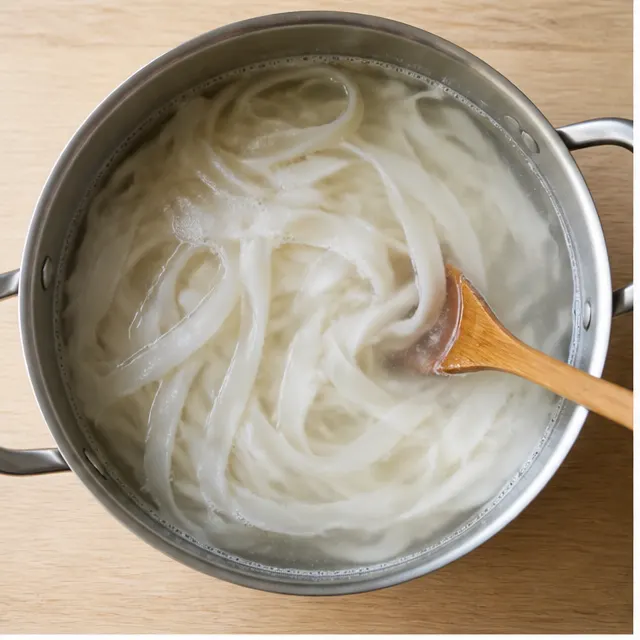
Get a big pot of salted water boiling. Cook the wide rice noodles according to the package directions, but shave off about 30 seconds from the recommended time. They’ll finish cooking when they hit the hot skillet later, and that little buffer is what keeps them from turning mushy. This is also where I start all my garlic chicken noodles, since the timing lines up perfectly with everything else.
Drain them well. If they clump together, toss them with a tiny bit of sesame oil. That’s the move. You want them glossy and separate, not one giant noodle brick. I learned this the hard way with a very sticky colander and a lot of swearing.
The texture target here is chewy and springy, somewhere between al dente pasta and a rice cake. Pick up a strand and it should hold its shape without snapping. That’s when you know they’re ready.
Stage 2: Whisk Up the Sticky Sauce
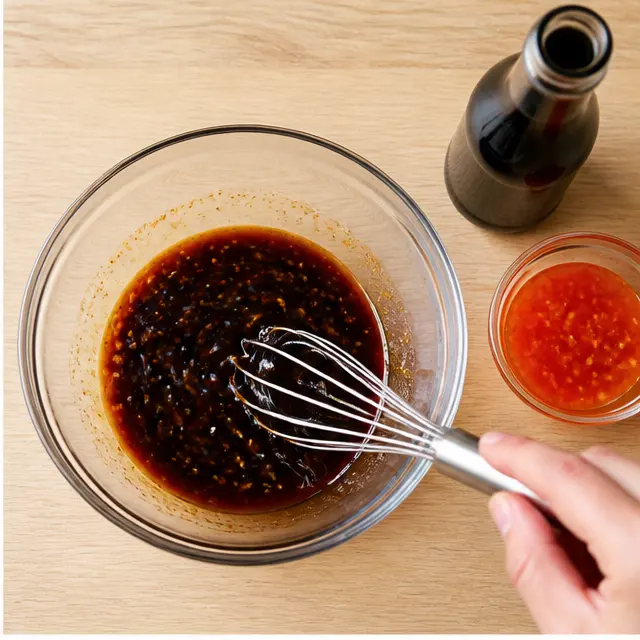
While the noodles boil, grab a medium bowl and whisk together the tamari, sweet chili sauce, rice vinegar, toasted sesame oil, minced pickled ginger, and a pinch of red pepper flakes. Then stir in about a quarter cup of water. That’s your sticky noodle sauce, and it takes two minutes, tops.
Here’s the science, and it’s genuinely kind of cool. The sauce is thin right now. It turns thick and glossy because of two things happening at once. The sugars in the sweet chili sauce reduce and concentrate as they bubble, and the cornstarch from the chicken coating washes off into the sauce and thickens everything like magic. No cornstarch slurry required. The chicken does the work for you.
I should mention that I’ve made garlic chicken noodles with udon, lo mein, and egg noodles over the years, and this sauce works with all of them. The sticky coating comes out the same every time. You can also adjust the heat here. For my kids, I keep the pepper flakes to a whisper. For date night, I double them. The sauce is forgiving either way, which is exactly what you want from a 30 minute meal.
Stage 3: Crisp the Chicken
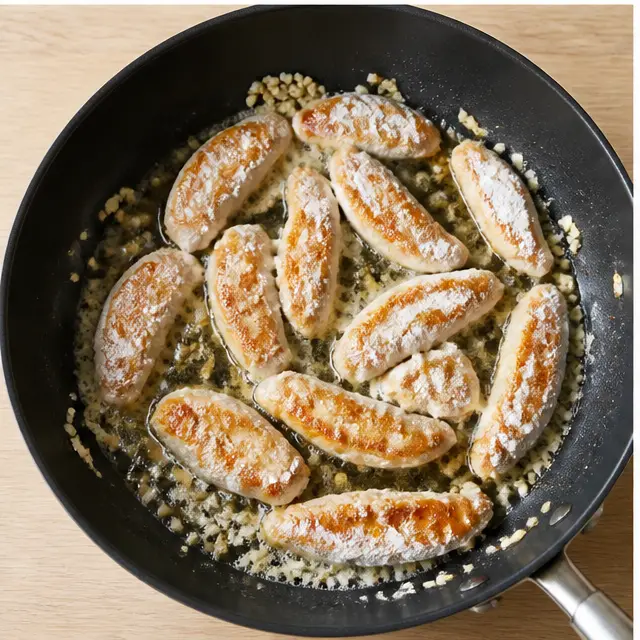
Pat the chicken dry with paper towels. This matters more than you think. Dry chicken gets crispy, wet chicken steams. Toss it with the cornstarch until every piece is coated. It should look dusty, like a powdered donut. That dust is the future crunch. This is the heart of garlic chicken noodles, that crispy, salty, garlicky bite that makes you go back for seconds.
Melt 2 tablespoons of butter in a large skillet over medium heat. Wait until it’s shimmering, then add the chicken in a single layer. Don’t crowd the pan. If your skillet is on the smaller side, cook it in two batches. Overcrowding drops the temperature, and you end up with steamed, sad chicken instead of crispy, happy chicken. A cast iron or stainless steel skillet gives the crispiest edges, but nonstick works fine too.
Cook for about 5 minutes until the edges are golden and lacy. Now comes the garlic moment. Add the remaining tablespoon of butter, another tablespoon of tamari, and the chopped garlic. Cook for exactly 1 minute. That’s the whole window. The garlic gets fragrant and sweet, not burnt and bitter. This is the step I messed up the first time, so trust the timer on this one.
Transfer the chicken to a plate. It doesn’t need to be fully cooked through yet, that’s fine. It finishes in the sauce during the last stage.
Stage 4: Vegetables, Then the Big Toss
Same skillet, no washing in between. That’s the beauty of a one pan dinner. Add the sliced shallot, bell peppers, and scallions. Cook for about 5 minutes, stirring frequently, until they soften but still have a little crunch. You want them to keep some personality, not turn into mush.
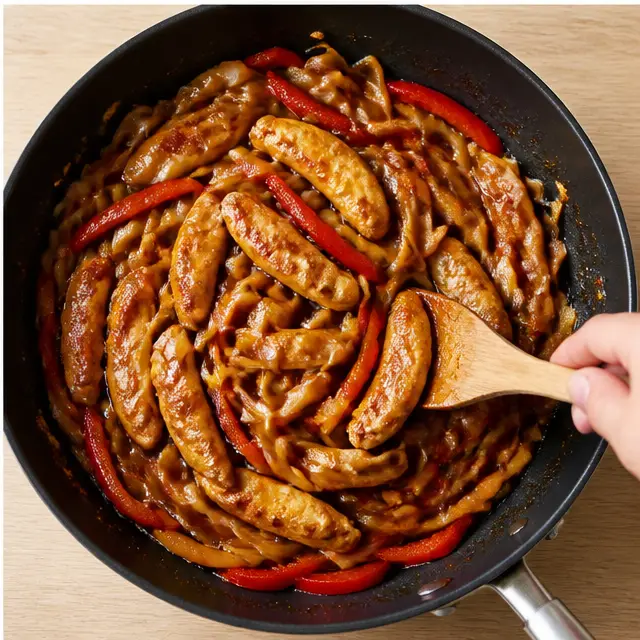
Pour in the sauce, then add the noodles and the chicken back in. Toss everything together and let it cook for 3 to 5 minutes, stirring often. This is where the transformation happens. Watch the sauce shift from watery to glossy, clinging to every noodle like it was made for them. Because it was.
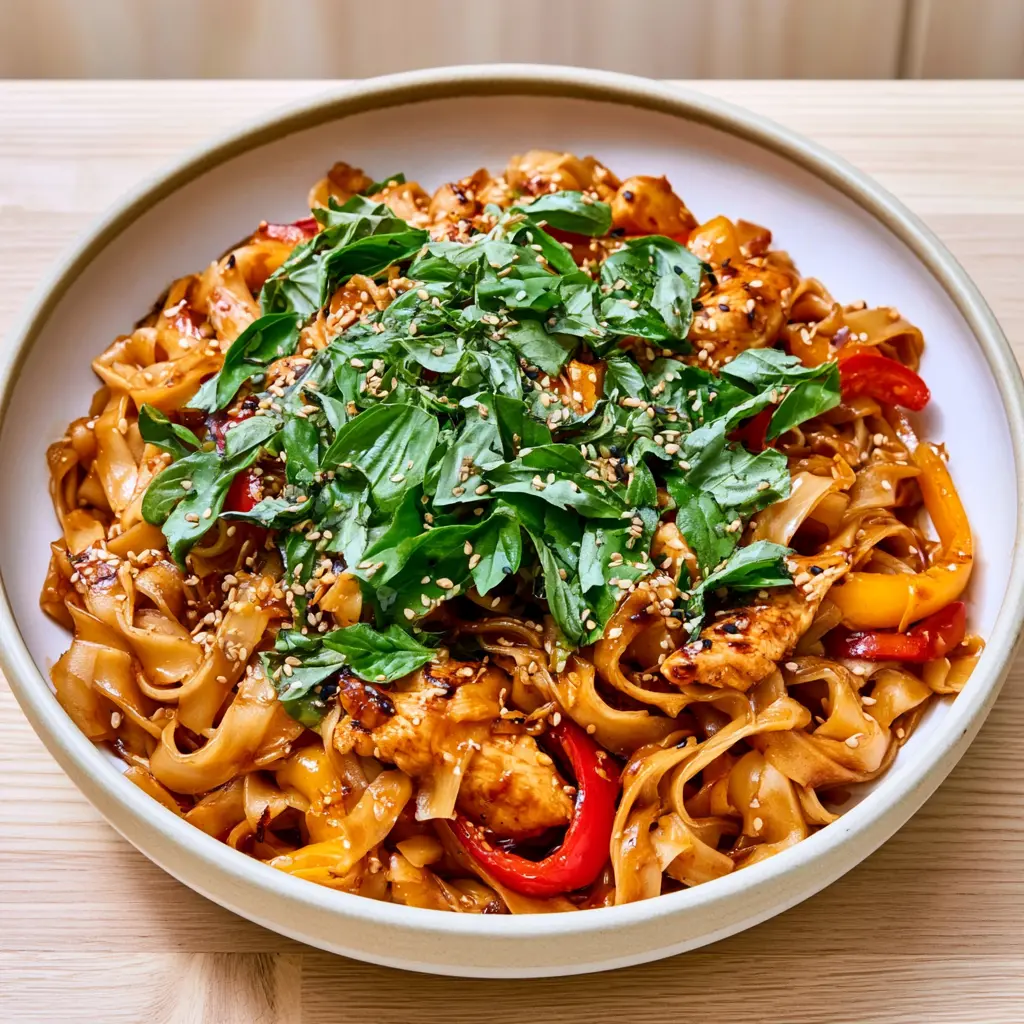
Here’s your visual cue. The sauce should look like warm honey and coat the back of a spoon. Drag your spoon through the pan, and it should leave a trail that slowly fills back in. That’s the spoon-coat test, and that’s how you know these garlic chicken noodles are done. The best sticky garlic chicken noodles have that glossy, almost lacquered finish on every strand.
Fold in half the basil, pull it off the heat, and let it rest for a minute. The residual heat wilts the basil just enough. Take a second to smell it. Garlic, sesame, sweet chili, all mixing together. This is what homemade takeout is supposed to taste like, and you made it on a Tuesday.
Tips, Variations, and Common Mistakes
I’ve made this garlic chicken noodles recipe more times than I can count, and I’ve learned almost everything from the misses. Here are the mistakes I see people make, plus the fixes, in one honest list.
- ❌ Overcooking the rice noodles into mush. ✅ Cook them 30 seconds less than the package says. They finish in the sauce and stay perfectly chewy.
- ❌ Skipping the rinse after boiling. ✅ Rinse briefly and toss with a touch of sesame oil so they don’t clump into one sad mass.
- ❌ Overcrowding the pan. ✅ Cook the chicken in batches if you need to. Crowded pans steam, and steam kills crispiness.
- ❌ Burning the garlic. ✅ Keep it to 1 minute over medium heat, added at the very end of the chicken cooking. That’s the safety window.
- ❌ Using too much sesame oil. ✅ Stick to the 2 tablespoons. Sesame oil is a bully, and it will take over the whole dish if you let it.
- ❌ Reheating too aggressively. ✅ Low heat, a small splash of water, gentle tossing. More on this below.
Now for the fun part. Variations. This is where the recipe becomes yours, and this sticky garlic chicken noodles formula is incredibly flexible.
Seasonal swaps: In spring, try asparagus and peas with a mix of mint and basil. In summer, like right now, bell peppers and Thai basil are the move, and it’s peak garlic season at the farmers market, so use the good stuff. In fall and winter, swap in shredded cabbage, carrots, and broccoli, and finish with cilantro if basil is scarce. The dish adapts to whatever produce looks best that week.
…the same skillet with a bit of butter or oil. Give it about 6 to 8 minutes, flipping once, until it’s golden and craggy on both sides. Tofu soaks up the sticky sauce like a sponge, and I’ve watched friends who swear they don’t like tofu go back for seconds. So trust the process. Make it spicier: The recipe as written is barely spicy, the kind of gentle warmth that plays well with kids. If you want more fire, add a teaspoon of sriracha or sambal oelek to the sauce, or double the red pepper flakes. For real heat, finely chop a Thai bird chile and let it steep in the sauce for ten minutes before cooking. It’ll wake up the whole dish without drowning the garlic. Dairy-free: Swap the butter for a neutral oil like avocado or grapeseed, and add a small dab of coconut oil for richness. You’ll lose a little of that browned-butter depth, but the sauce picks up the slack. Nobody at your table will know the difference unless you tell them. Gluten-free: This one’s almost too easy. Use tamari instead of soy sauce and wide rice noodles, which are naturally gluten-free. Just check your sweet chili sauce label, since a few brands add wheat-based thickeners. Most are fine, but it’s worth the ten seconds it takes to look.Troubleshooting Your Garlic Chicken Noodles
Listen, I’ve made this recipe more times than I can count, and I’ve hit every wall there is to hit. Here’s how to climb over each one when it happens to you.
“The sauce is too thin.” Give it one or two more minutes in the skillet. The sauce thickens as it reduces, and the cornstarch washed off the chicken needs a few extra bubbles to activate. Keep stirring and watch for that spoon-coat moment. If it’s still thin after five minutes, you probably added too much water, and that’s fixable too: stir in a teaspoon of cornstarch dissolved in a tablespoon of cold water and let it bubble up. Instant gloss.
“My noodles clumped into one giant brick.” This almost always means you skipped the rinse or the oil toss. If it’s already happened, don’t panic. Transfer the noodles to a bowl, drizzle with a teaspoon of warm water and a few drops of sesame oil, and gently pull them apart with your fingers. It takes sixty seconds and saves the whole dinner.
“The chicken steamed instead of crisping.” Two usual suspects: wet chicken or a crowded pan. Next time, pat the chicken dry with paper towels before the cornstarch, and cook in batches if your skillet isn’t big enough. You want to hear a proper sizzle when the chicken hits the pan. If it’s quiet, the pan isn’t hot enough, or there’s too much in there.
“The garlic tastes bitter.” Been there. Burnt garlic is the one mistake that can’t be hidden with extra sauce. Scrape out the bits, start the garlic again with fresh butter, and keep it to one minute over medium heat. The good news is this mistake only happens once, because you’ll never forget the smell.
“The sauce isn’t sticking to the noodles.” This one’s usually a noodle choice problem. Wide rice noodles have that slightly rough, starchy surface that grabs sauce. If you used a slippery noodle like thin vermicelli or shiny lo mein, the sauce slides right off. Cook the sauce down a little longer, toss more aggressively, and let it sit off the heat for a minute before serving. That usually does it.
Why This Recipe Works: The Science
I’m not a food scientist, but I’ve cooked enough to know what works and a little bit about why. Here’s the behind-the-scenes on this garlic chicken noodles recipe, because understanding it makes you a better cook, not just a better recipe follower.
Cornstarch is doing double duty here, and it’s honestly kind of brilliant. First, it creates that crackly, lacy exterior on the chicken. As the coated pieces hit hot butter, the starch rapidly dehydrates and forms a thin, crispy shell. Second, as the chicken simmers in the sauce, some of that starch washes off and acts as a natural thickener. That’s why this sauce turns glossy without a separate cornstarch slurry. The chicken literally glazes its own sauce.
Rice noodles need a rinse after boiling because they release excess starch as they cook. If you don’t rinse it off, that starch acts like glue as the noodles cool, turning them into a clump that no amount of tossing can save. The rinse washes away the sticky surface starch, and the drizzle of sesame oil adds a thin barrier that keeps the strands separate.
Garlic is a timing game. When you add garlic to a hot pan, the enzymes and sugars undergo a rapid transformation. In the first minute, you get fragrant, sweet, aromatic garlic that perfumes everything it touches. By minute two or three, the compounds turn bitter and acrid. That’s why I’m so insistent on the one-minute rule. It’s not me being precious, it’s just chemistry with a timer.
And sesame oil? It’s what the flavor industry would call a high-impact ingredient. A little bit adds a warm, nutty depth that makes the whole dish taste more complete. More than that, and it turns soapy and overwhelming. Two tablespoons is the ceiling for this recipe, and honestly, one and a half might be even better.
Storage, Reheating, and Make-Ahead
These sticky garlic chicken noodles are at their absolute best straight out of the skillet, all glossy and steaming. But let’s be realistic about leftovers, because this recipe makes plenty, and cold noodles for lunch the next day are a genuine gift.
Refrigerator: Store leftovers in an airtight container for up to 3 to 4 days. The sauce will tighten up as it cools, and the noodles will absorb some of it. That’s normal, and honestly, some people prefer it the next day when every strand has soaked up even more flavor.
Reheating: This is where most people go wrong. They blast it in the microwave for two minutes and end up with rubbery chicken and mushy noodles. Instead, reheat gently in a skillet over low heat with a splash of water or chicken broth. Toss constantly until everything is hot and the sauce turns glossy again. It takes four minutes and tastes like a fresh batch. If you’re in a hurry, the microwave works too, just use short bursts and stir between each one.
Freezer: You can freeze this for up to a month in an airtight container. I’ll be honest though: rice noodles soften in the freezer, and the texture is never quite the same. It’s still delicious, but if you want that chewy, springy noodle experience, eat it fresh or within the 3 to 4 day fridge window. Freezing is the backup plan, not the main strategy.
Make-ahead strategy: The sauce can be whisked together 3 to 5 days ahead and kept in the fridge. The chicken can be sliced and the vegetables chopped up to 2 days in advance, stored separately. That means on a busy night, dinner is literally cook the noodles, cook the chicken, toss everything together. Ten minutes of actual work. That’s the kind of planning I can get behind.
Frequently Asked Questions
Can I use a different noodle?
Yes. Wide rice noodles are the best choice because they cling to the sticky sauce beautifully, but lo mein, udon, egg noodles, and even ramen all work in a pinch. Cook them just to al dente and toss them in the sauce quickly so they don’t over-soften. If you’re using a non-rice noodle, skip the rinse step and just toss with a little oil after draining.
Why did my noodles clump together?
Almost always because they weren’t rinsed after boiling, or they sat too long before hitting the skillet. Rinse briefly in cool water, toss with a touch of sesame oil, and don’t let them sit for more than ten minutes before dinner comes together.
Can I use chicken breast instead of thighs?
Absolutely. Thighs are juicier and more forgiving, but breasts work great if that’s what you have. Slice them thin against the grain and watch them carefully, since lean breast meat can dry out if you overdo it. The cornstarch coating actually helps protect it, which is another reason this recipe works.
Is this recipe spicy?
Not inherently. The sweet chili sauce is sweet first, with just a whisper of heat. The red pepper flakes add a gentle warmth at most. For kids, keep them to a pinch or leave them out entirely. For adults who like heat, add sriracha, sambal oelek, or fresh chile, and taste as you go.
What can I substitute for pickled sushi ginger?
If you don’t have it, no stress. Use a half teaspoon of grated fresh ginger plus an extra teaspoon of rice vinegar. That gives you the same bright, tangy kick without the extra trip to the store. If you have neither, just leave it out and add a little more rice vinegar to the sauce.
Can I double this recipe?
Yes, and I do it all the time for meal prep. Use the biggest skillet you own, or cook the chicken in batches so you don’t crowd the pan. Everything else scales up exactly. Just know that leftovers will keep for the same 3 to 4 days, so you can happily eat these noodles all week.
Final Thoughts
Here’s the thing about this garlic chicken noodles recipe. It’s not fancy. It doesn’t require a specialty ingredient or a trip to three different stores. It’s just a really good dinner that comes together in the time it takes to decide what to order, and it makes your whole kitchen smell like the best takeout place in town.
The first time I made these, I burned the garlic and my kids still ate every bite. Now, with the one-minute rule and the four stages in order, it’s become the recipe I can make with my eyes closed. The one I pull out on Tuesday nights when the answer to “what’s for dinner” needs to be something good. The one I’m genuinely excited to share with you.
So that’s it. Your game plan is ready, your skillet is waiting, and dinner is twenty minutes away. Whether it’s a hot August evening in Southern California or a chilly Tuesday in the middle of winter, these sticky garlic chicken noodles will be there for you. Make them once, and they’ll become your go-to too.
Go make the good noodles. You’ve got this.
Expert Notes & Data Insights
Let’s talk numbers for a second, because I know some of you like the details. This garlic chicken noodles recipe clocks in at about 20 minutes from fridge to table: roughly 5 minutes of prep and 15 minutes of active cooking across four stages. That’s faster than delivery, cheaper than takeout, and you control exactly what goes into the pan.
Nutritionally, one generous serving, about a quarter of the skillet, runs approximately 540 to 620 calories with 32 to 38 grams of protein and 14 to 18 grams of fat, depending on whether you use thighs or breasts and how generous you are with the butter. The cornstarch coating adds about 3 grams of carbs per serving, and the sweet chili sauce carries most of the sugar. It’s a balanced, satisfying weeknight meal, not a diet food, and that’s exactly what it’s supposed to be.
From a technique standpoint, three numbers matter more than anything else: 30 seconds off the noodle cooking time, 60 seconds for the garlic, and 5 minutes for the chicken before the sauce goes in. Get those three right, and this dish works every single time. That’s not a guess, it’s the result of testing this recipe over and over so you don’t have to.
One last data point. I’ve made these sticky garlic chicken noodles for my family, for friends, and for those casual dinners where everyone ends up standing around the kitchen. The skillet is always empty at the end. Every single time. That’s the stat that matters most.